Food Culture and Dining Etiquette
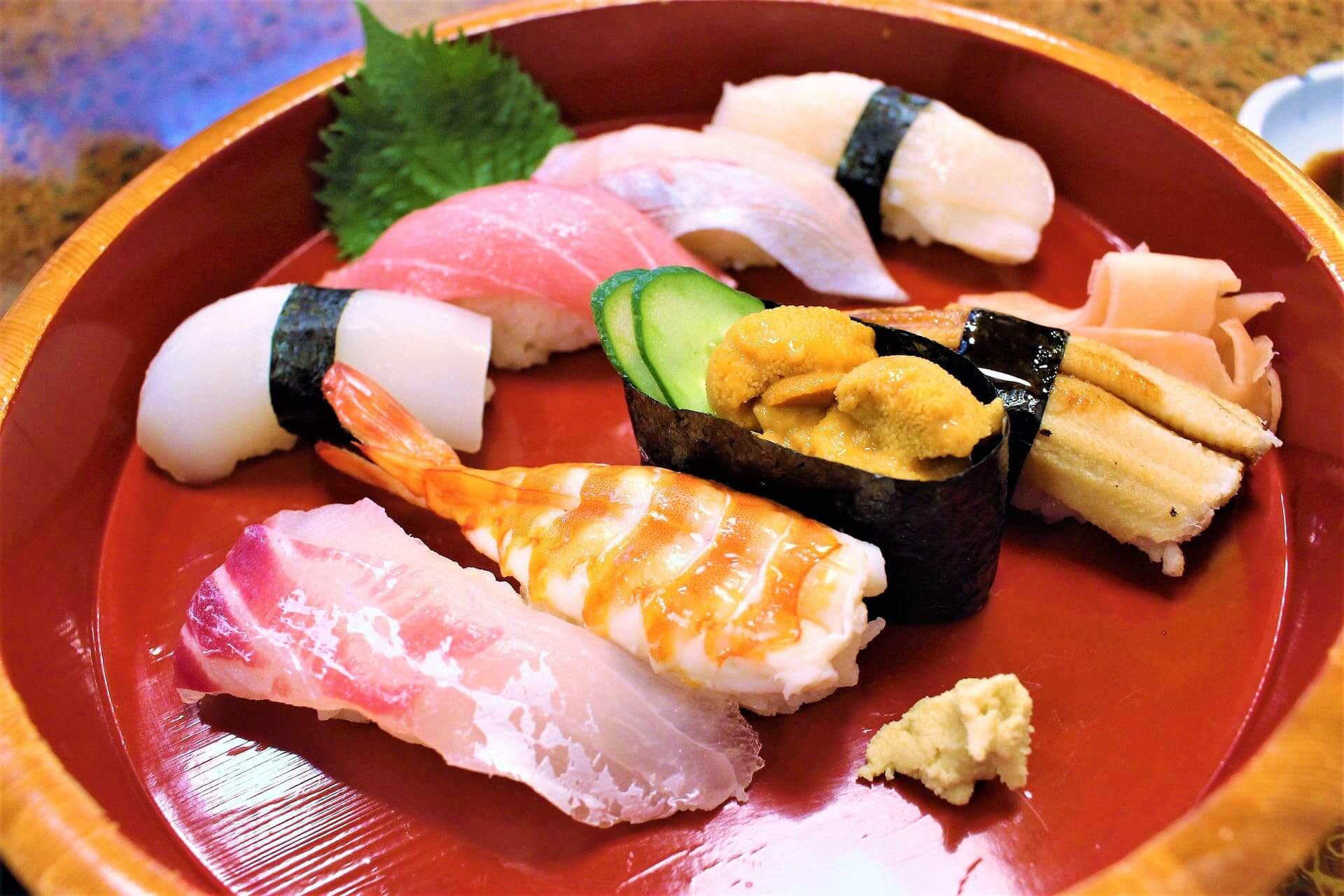
Japanese cuisine is a highlight for many visitors, with its emphasis on seasonal ingredients and meticulous preparation. When dining out, it’s customary to wait until everyone has been served before beginning to eat. If sharing dishes, use the opposite end of your chopsticks to serve yourself from communal plates.
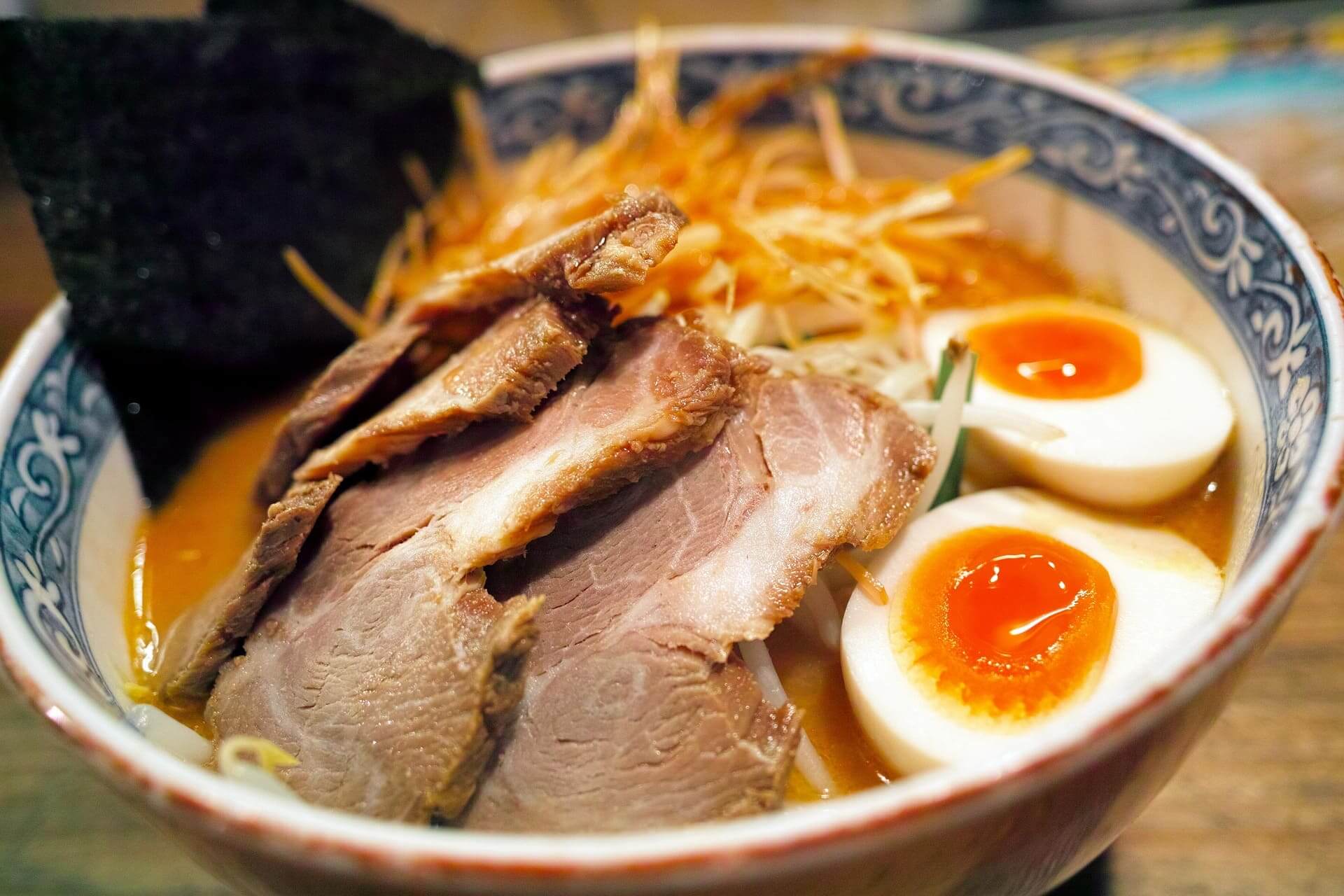
Many restaurants specialize in specific types of cuisine – sushi, ramen, tempura, etc. This specialization allows establishments to perfect their craft, but it also means you might need to visit different places to try various dishes.
Conclusion
Visiting Japan offers a unique opportunity to experience a culture that masterfully balances tradition with innovation. By understanding and respecting local customs, you’ll not only show appreciation for Japanese culture but also enhance your own travel experience. The Japanese concept of “omotenashi” ensures visitors are welcomed with genuine warmth and hospitality, making your journey through this fascinating country even more memorable.
Remember that making occasional cultural mistakes is natural and generally met with understanding, especially if you demonstrate a sincere effort to respect local customs. The key is to approach your visit with an open mind and willingness to learn from and adapt to this unique cultural environment.
2