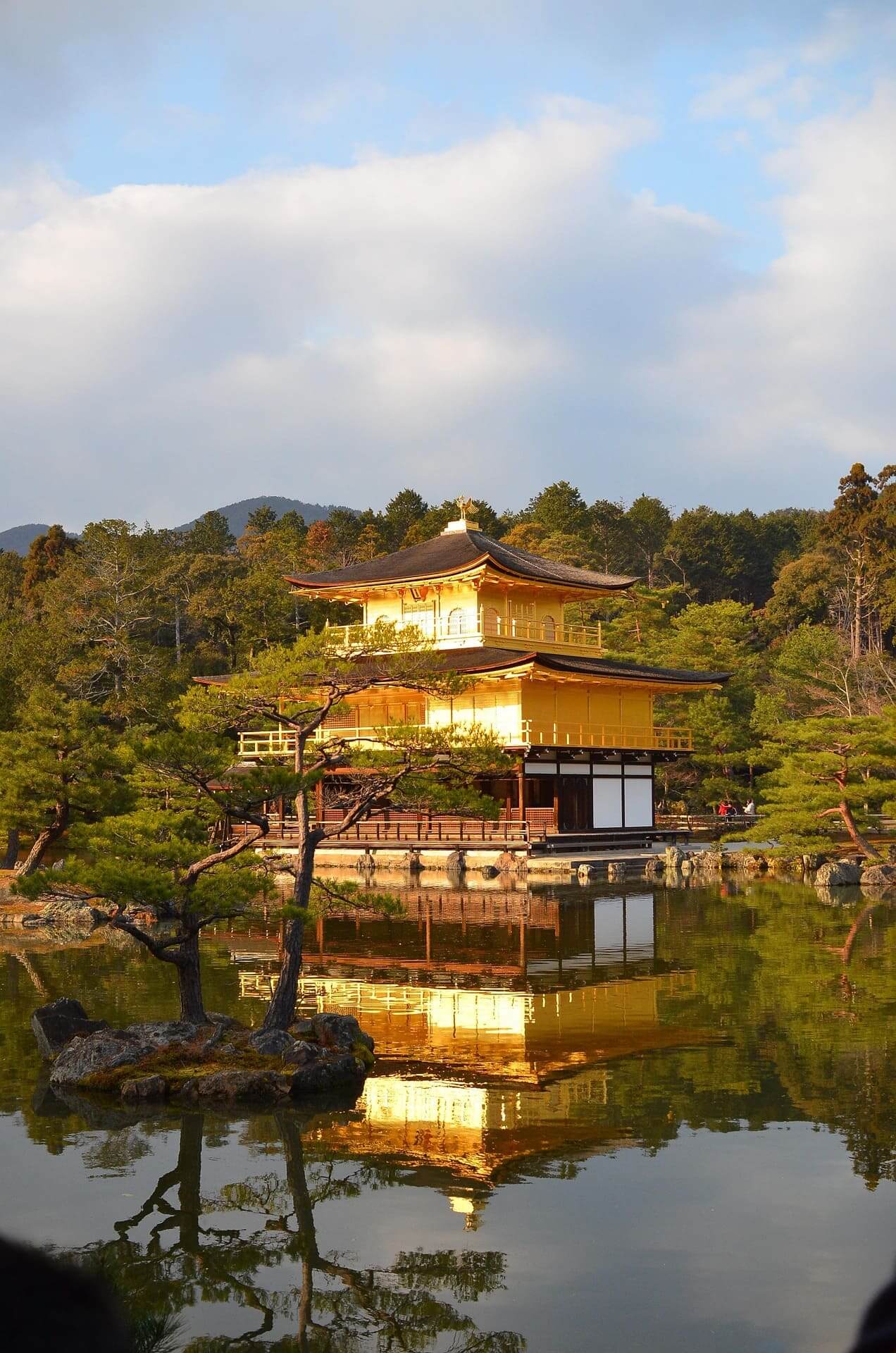
Welcome to Japan!
Japan has long captivated travelers with its unique blend of ancient traditions and cutting-edge modernity. From serene temples and meticulously manicured gardens to bustling metropolises filled with neon lights, this fascinating country offers experiences that can’t be found anywhere else in the world. However, to fully appreciate and respect Japanese culture while enjoying your stay, there are several important aspects to understand before your visit.
Understanding Japanese Weather and When to Visit
The Japanese archipelago experiences four distinct seasons, each offering its own unique charm and considerations for travelers. Spring (March to May) is arguably the most popular time to visit, famous for the breathtaking cherry blossom season. The mild temperatures and stunning pink blooms make it an ideal time for sightseeing, though you should expect larger crowds and higher prices during this peak season.
Summer (June to August) brings warm temperatures and humidity, along with the rainy season in June. While this might not be the most comfortable time for extensive outdoor activities, it’s perfect for experiencing traditional festivals and firework displays. Many locals don summer yukata (light cotton kimonos) during these festive occasions, creating a vibrant atmosphere throughout the country.
Autumn (September to November) rivals spring in popularity, offering comfortable temperatures and spectacular fall foliage. The changing colors of Japanese maple trees create stunning natural displays, particularly in areas like Kyoto and the Japanese Alps.
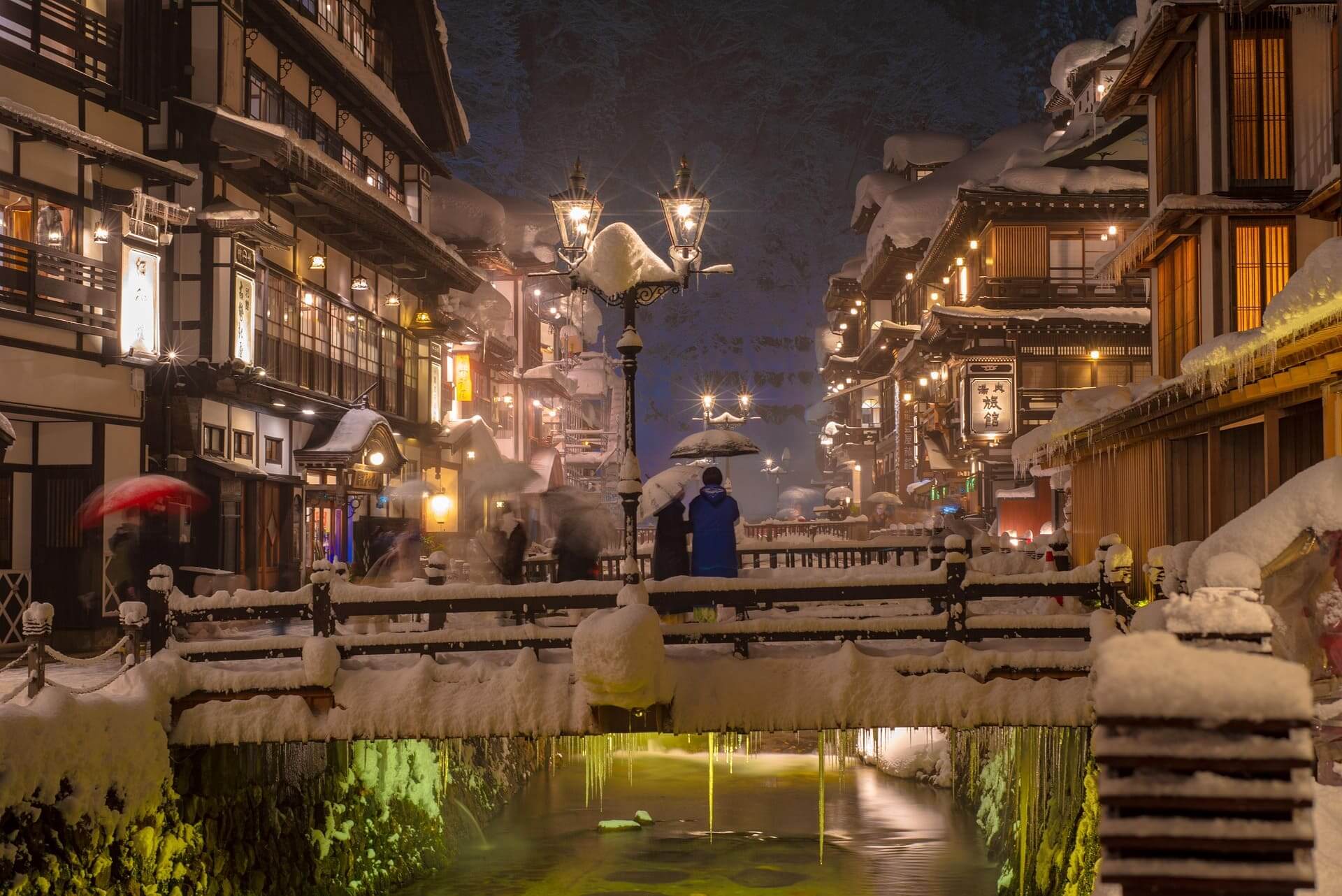
Winter (December to February) brings cold temperatures and snow, especially in the northern regions. This season is perfect for winter sports enthusiasts, with excellent skiing conditions in Hokkaido and other mountainous areas. It’s also an ideal time to experience Japan’s famous hot springs (onsen) against snowy backgrounds.
Essential Cultural Etiquette and Customs
Japanese society places great emphasis on harmony and mutual respect, reflected in various customs and social expectations. Understanding and observing these practices will greatly enhance your travel experience and show respect for local culture.
When entering Japanese homes or traditional establishments, you’ll need to remove your shoes. Many places provide slippers for indoor use, though these should be removed before stepping onto tatami mat floors. This practice maintains cleanliness and is deeply ingrained in Japanese culture.
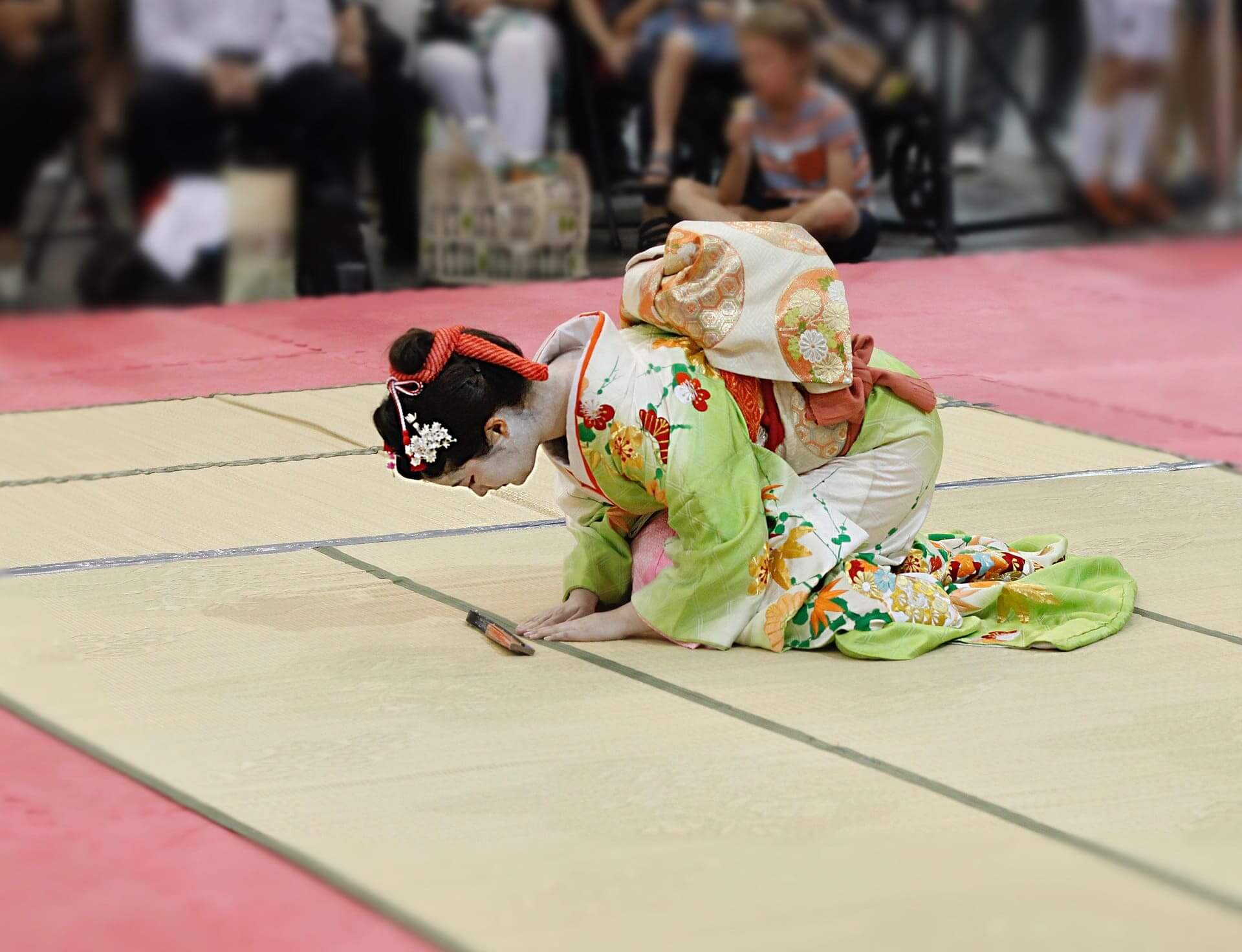
Greeting customs in Japan differ from Western practices. While handshakes are becoming more common in business settings, bowing remains the traditional form of greeting. As a visitor, a slight bow of the head is generally sufficient – Japanese people don’t expect foreigners to master the complexities of formal bowing etiquette.
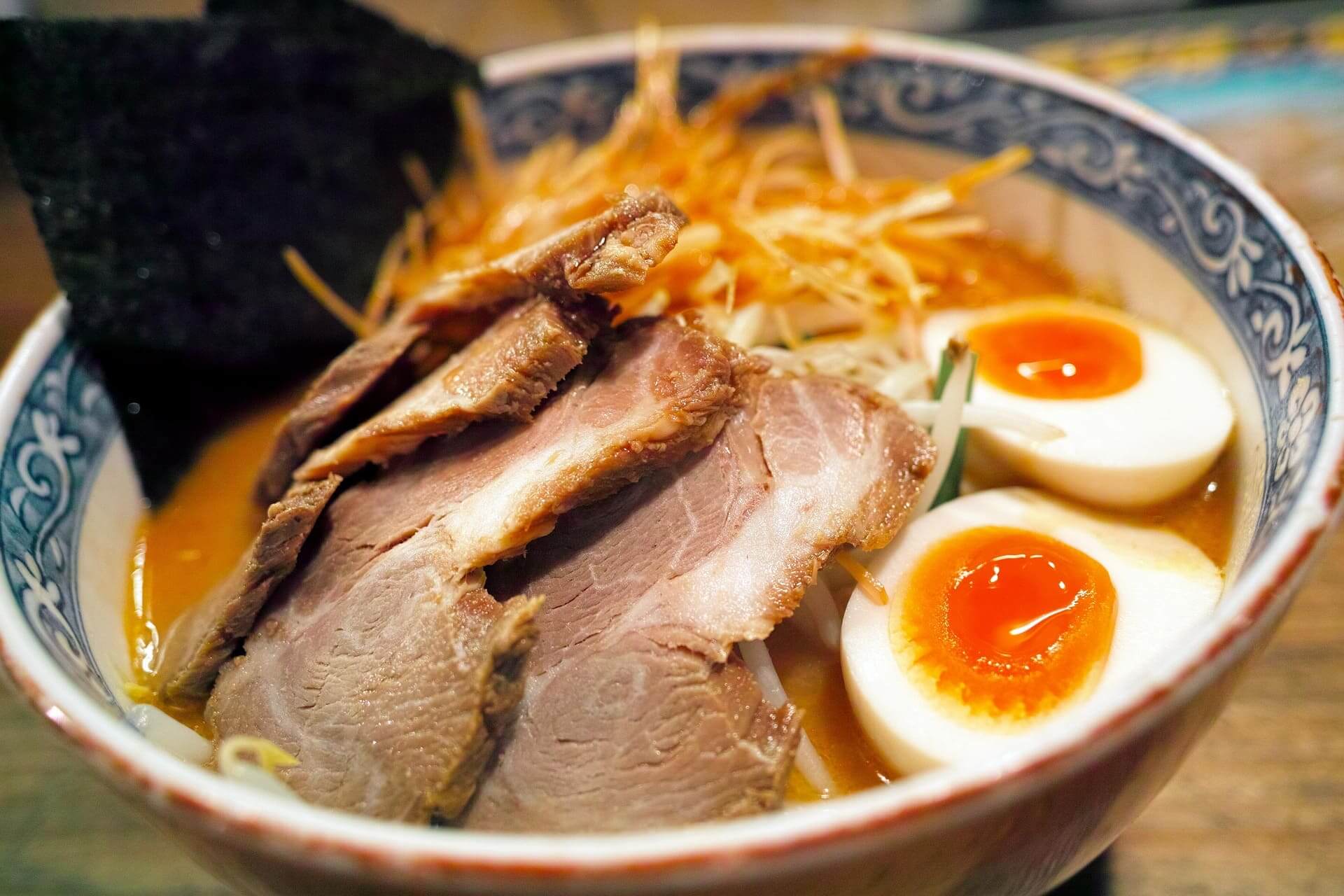
Table manners hold special significance in Japanese culture. When using chopsticks, never stick them vertically into your rice (this resembles a funeral ritual) or pass food directly from your chopsticks to someone else’s. It’s perfectly acceptable to lift small bowls close to your mouth while eating, and making subtle slurping sounds while enjoying noodles is considered a compliment to the chef.
Navigating Public Spaces and Transportation
Japan’s public transportation system is renowned for its efficiency and punctuality. Trains and buses operate on precise schedules, and it’s considered extremely rude to cause delays. When using public transportation, maintain a quiet atmosphere – loud conversations and phone calls are frowned upon.
On escalators, people typically stand on one side (left in Tokyo, right in Osaka) to allow others to pass. This orderly system reflects the Japanese appreciation for social harmony and consideration of others.
When walking in crowded areas, try to move with the flow of pedestrian traffic. If you need to stop, step aside to avoid blocking others. Japanese people are generally very conscious of not inconveniencing others, a concept known as “meiwaku.”
Safety and Security Considerations
Japan consistently ranks among the safest countries in the world for travelers. Violent crime is extremely rare, and lost items are often returned to their owners through the highly efficient lost-and-found system. However, it’s still wise to exercise common-sense precautions and keep valuables secure.
Natural disasters, particularly earthquakes, are a reality in Japan. Modern buildings are constructed to withstand seismic activity, and the country has excellent emergency response systems. Familiarize yourself with basic earthquake safety procedures and download the Japan Meteorological Agency’s emergency warning application.
Communication and Language
While English signage is common in major cities and tourist areas, many Japanese people may be hesitant to speak English even if they understand it. Learning a few basic Japanese phrases can go a long way in showing respect and facilitating communication. Simple expressions like “arigatou gozaimasu” (thank you very much), “sumimasen” (excuse me/sorry), and “onegaishimasu” (please) are appreciated.
Many restaurants provide picture menus or plastic food displays, making ordering easier for non-Japanese speakers. Don’t hesitate to point to what you’d like – this is perfectly acceptable and common practice even among locals when dealing with unfamiliar items.
Money and Payment Considerations
Despite Japan’s technological advancement, cash is still king in many situations. While credit cards are widely accepted in major stores and establishments, many smaller shops, restaurants, and even some temples and shrines may only accept cash. It’s advisable to always carry sufficient cash, which can be withdrawn from ATMs at post offices and 7-Eleven stores (which reliably accept foreign cards).
Unique Aspects of Japanese Hospitality
The concept of “omotenashi” – Japanese hospitality – goes beyond mere customer service. It represents a sincere desire to anticipate and fulfill guests’ needs without expectation of reward. This manifests in countless ways, from shopkeepers meticulously wrapping purchases to station staff assisting lost travelers.
Tipping is not practiced in Japan and can even be considered rude in some situations. The high level of service you’ll experience comes from a cultural commitment to excellence rather than expectation of additional payment.
Popular Tourist Destinations and Local Customs
When visiting temples and shrines, observe proper etiquette. Many have cleansing fountains near the entrance where visitors should wash their hands and mouth before entering. Photography may be restricted in certain areas, so always check for signs or ask staff if unsure.
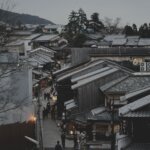
Popular destinations like Tokyo’s Shibuya Crossing, Kyoto’s historic districts, and Mount Fuji attract large crowds. Visit early in the morning to avoid peak times and show consideration for other visitors and local residents by not blocking pathways or speaking too loudly.
Food Culture and Dining Etiquette
Japanese cuisine is a highlight for many visitors, with its emphasis on seasonal ingredients and meticulous preparation. When dining out, it’s customary to wait until everyone has been served before beginning to eat. If sharing dishes, use the opposite end of your chopsticks to serve yourself from communal plates.
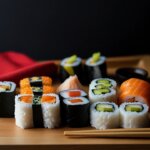
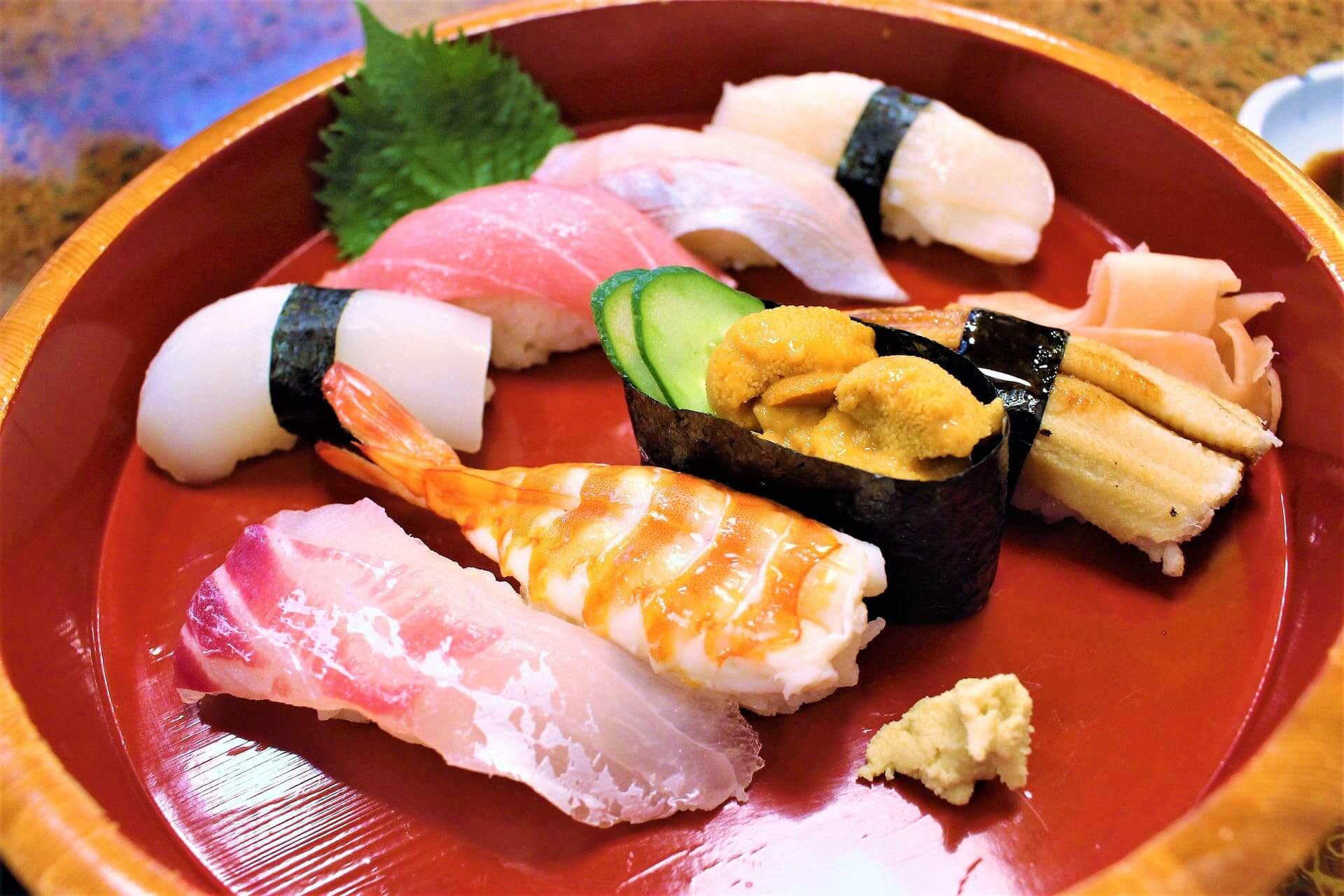
Many restaurants specialize in specific types of cuisine – sushi, ramen, tempura, etc. This specialization allows establishments to perfect their craft, but it also means you might need to visit different places to try various dishes.
Conclusion
Visiting Japan offers a unique opportunity to experience a culture that masterfully balances tradition with innovation. By understanding and respecting local customs, you’ll not only show appreciation for Japanese culture but also enhance your own travel experience. The Japanese concept of “omotenashi” ensures visitors are welcomed with genuine warmth and hospitality, making your journey through this fascinating country even more memorable.
Remember that making occasional cultural mistakes is natural and generally met with understanding, especially if you demonstrate a sincere effort to respect local customs. The key is to approach your visit with an open mind and willingness to learn from and adapt to this unique cultural environment.
著者【ALL WORK編集室】

-
「真面目に生きている人が、損をしない世界を。」
キャリアの荒波と、ネット社会の裏表を見てきたメディア運営者。かつては「お人好し」で搾取され続け、心身を削った経験を持つ。その絶望から立ち直る過程で、世の中の「成功法則」の多くが、弱者をカモにするための綺麗事であると確信。
本メディア「ALL WORK」では、巷のキラキラした副業論や精神論を排し、実体験に基づいた「冷酷なまでに正しい生存戦略」を考察・発信中。